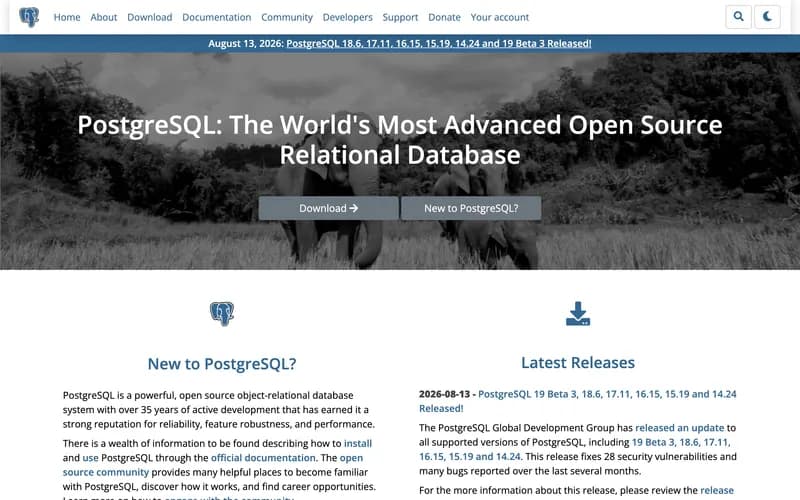
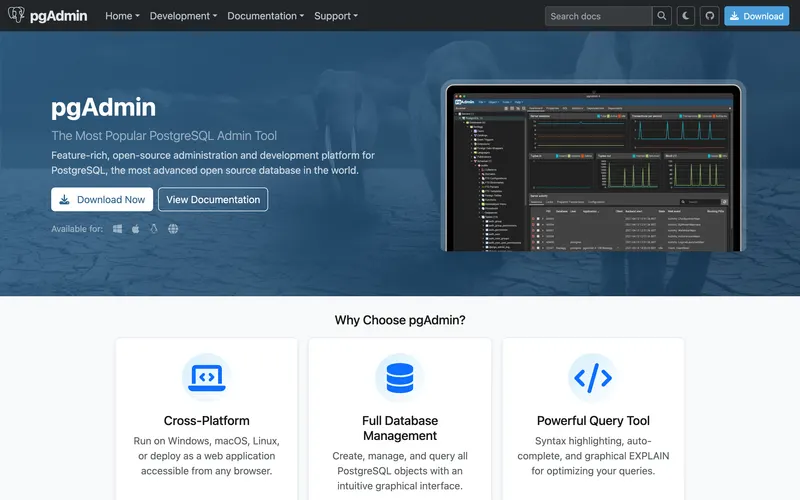
Advanced open-source relational database with powerful features
DatabasesOpen Source22kstars on GitHub
43 developer tools in this category
Relational, document, key-value and search stores, plus the managed platforms that run them.
The useful way to read this category is by data model, not by brand. Relational databases give you schemas, joins and transactional guarantees, and remain the correct default for most applications. Document stores relax the schema in exchange for flexibility, which helps when the shape of the data genuinely varies and hurts when it didn't need to. Key-value stores are built for speed and simple access patterns. Search engines exist because querying text well is a different problem from querying rows.
Most applications need one primary store and, eventually, a cache. The common mistake is reaching for a second database to solve a problem the first one already handles — modern relational engines do JSON, full-text search and queuing perfectly well at small and medium scale, and one system you understand deeply beats three you half-run.
The other decision is managed versus self-hosted. Managed platforms handle backups, upgrades and failover, which are exactly the things that hurt most when neglected. Self-hosting is cheaper in cash and more expensive in attention.
Advanced open-source relational database with powerful features
In-memory data store used as database, cache, and message broker
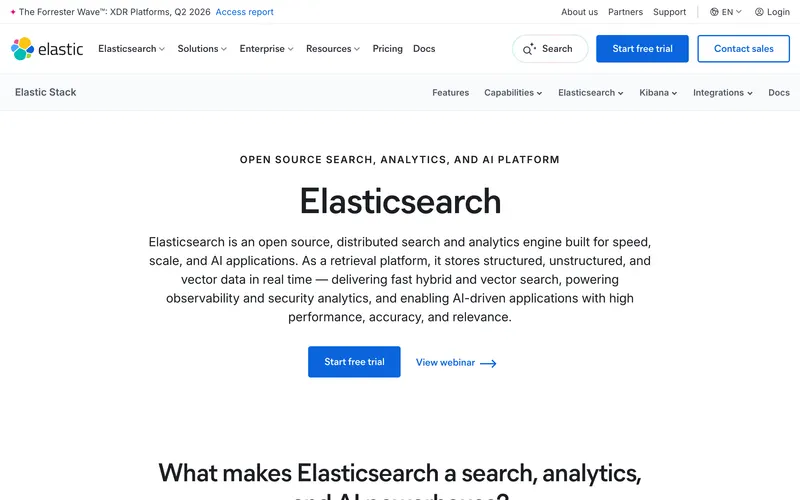
Distributed search and analytics engine built on Apache Lucene
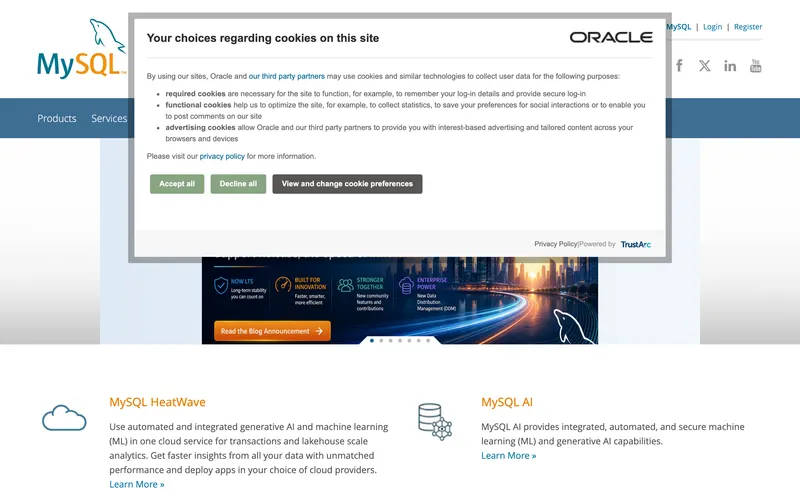
Popular open-source relational database management system
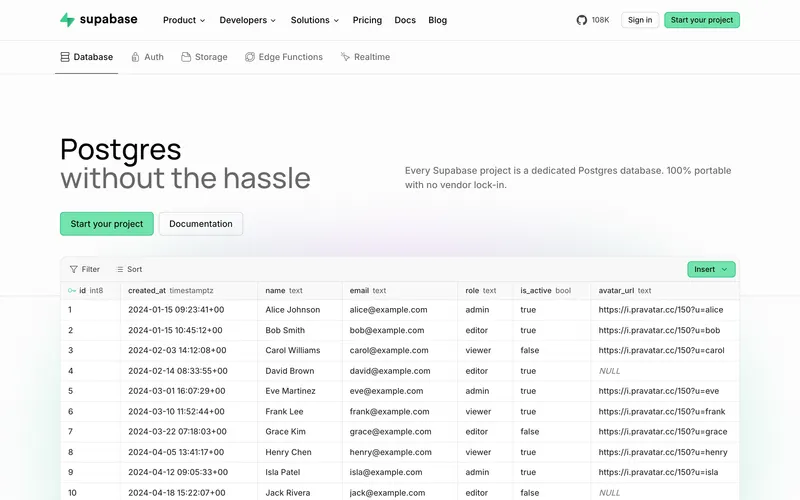
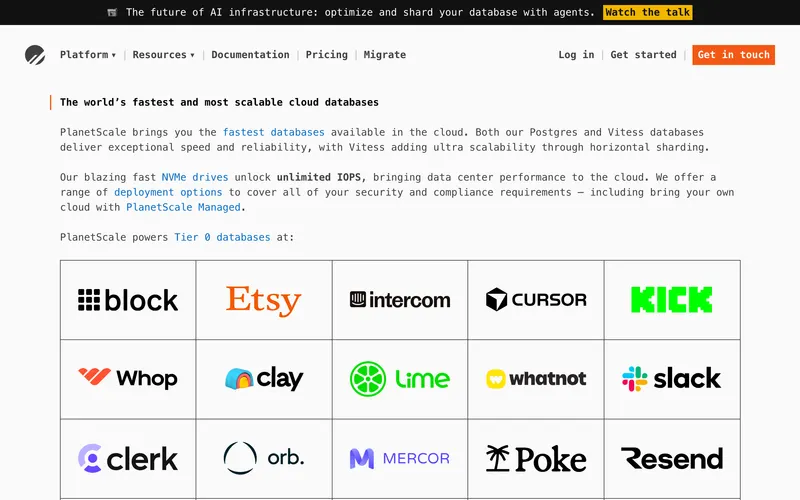
Aerospike is the real-time database for AI, trusted in the world's most demanding environments. Consistent, available, and cost-efficient at any scale.
Aiven is an AI-ready open source data platform that combines open-source services to rapidly stream, store and serve data across major cloud providers — simply and securely.
18,000+ organizations trust Algolia to build intuitive, adaptive, high-performing experiences with a unified AI search & retrieval platform spanning agentic, generative, and search.
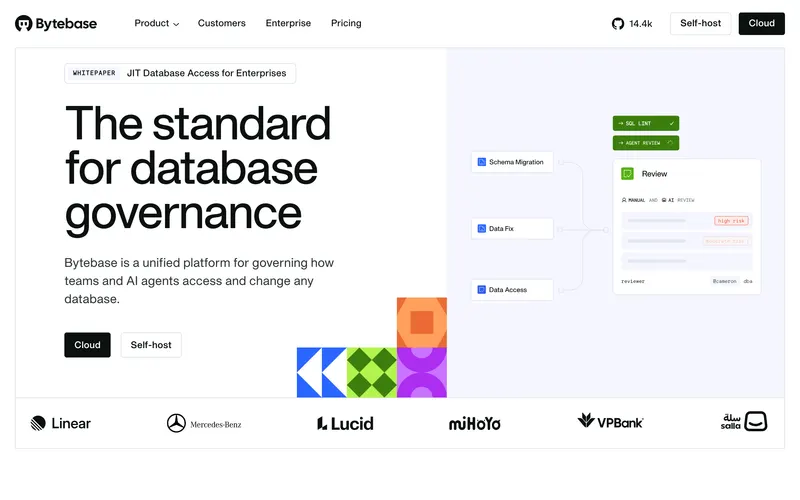
Database governance platform for schema migration, change review, data fix, and query access across Postgres, MySQL, SQL Server, Oracle, and 20+ engines.
ClickHouse is a fast open-source column-oriented database management system that allows generating analytical data reports in real-time using SQL queries
CockroachDB is a cloud-agnostic, AI-native, PostgreSQL-compatible data platform built for modern applications, used by industry-leading innovators worldwide to deliver unmatched uptime, scale, and compliance.
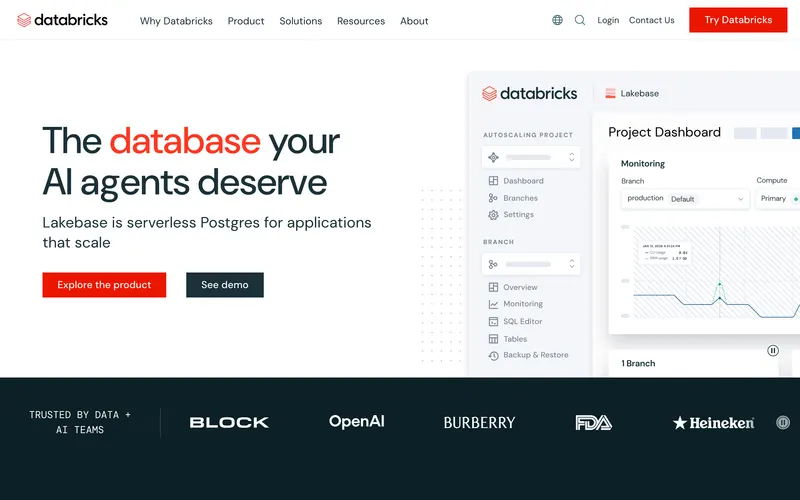
Databricks offers a unified platform for data, analytics and AI. Build better AI with a data-centric approach. Simplify ETL, data warehousing, governance and AI on the Data + AI Platform.
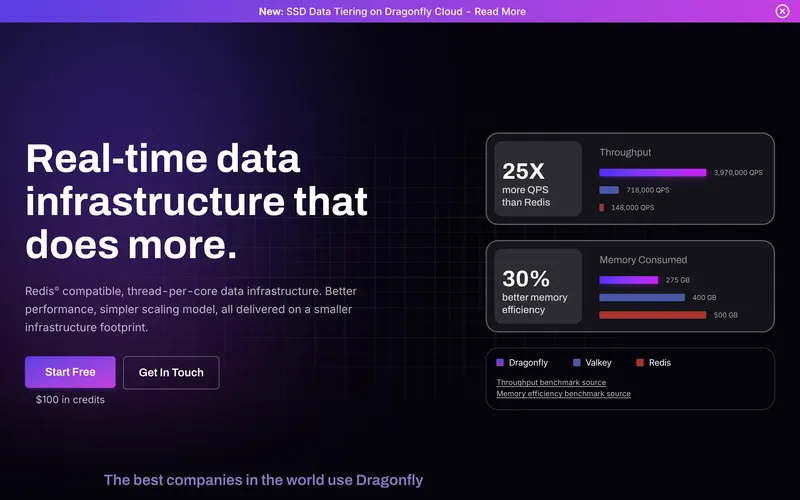
Discover Dragonfly - the most performant in-memory data store, engineered for extreme throughput at scale.
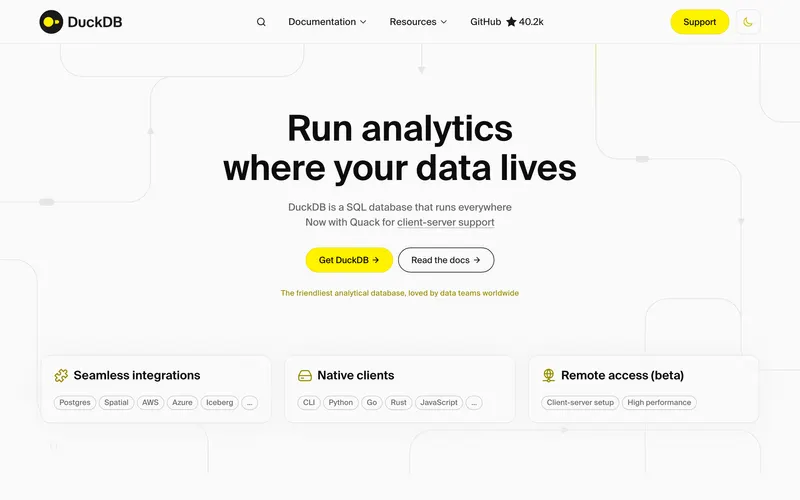
DuckDB is an in-process SQL OLAP database management system. Simple, feature-rich, fast & open source.
Gel is an open-source database designed to address ergonomic limitations of SQL and relational modeling, without sacrificing type safety or performance.
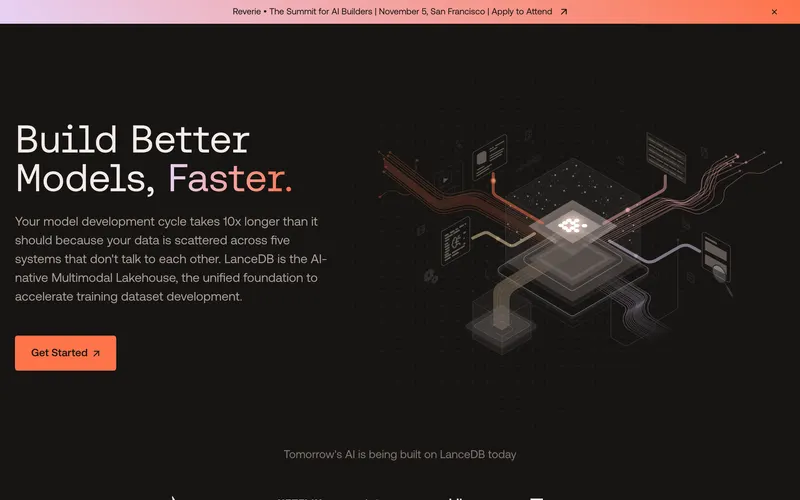
The multimodal lakehouse for AI, accelerating large-scale data curation and feature engineering so teams can build better models faster.
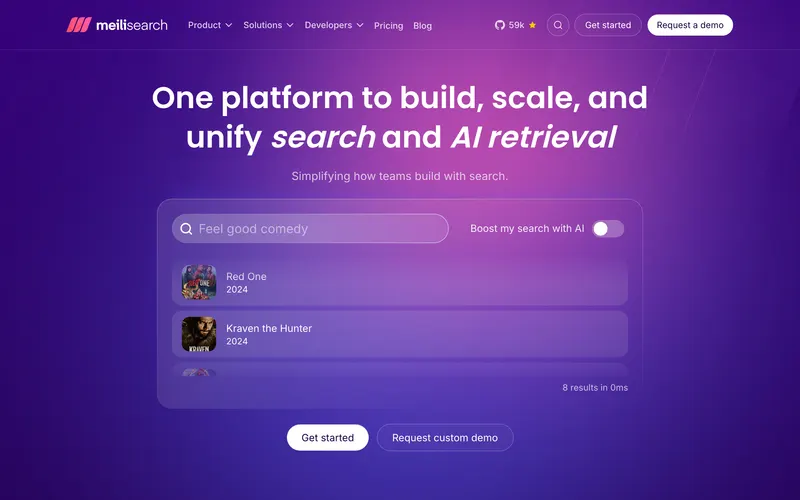
Build lightning-fast search and AI retrieval with Meilisearch. Open-source, developer-friendly search engine trusted by 20,000+ teams worldwide.
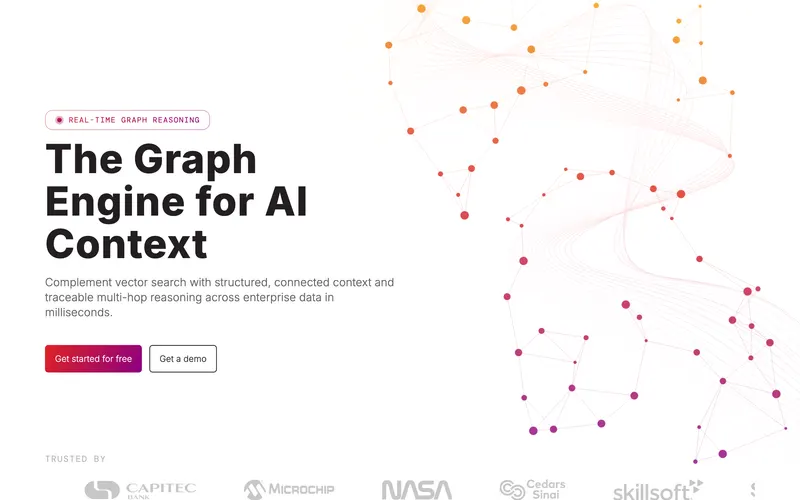
Experience high-performance graph computing with Memgraph — the scalable, in-memory graph database solution compatible with Neo4j.
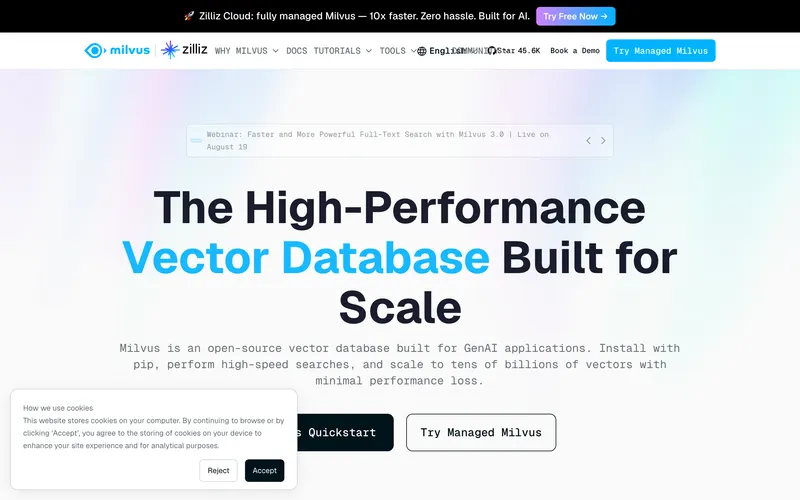
Milvus is an open-source vector database built for GenAI applications. Install with pip, perform high-speed searches, and scale to tens of billions of vectors.
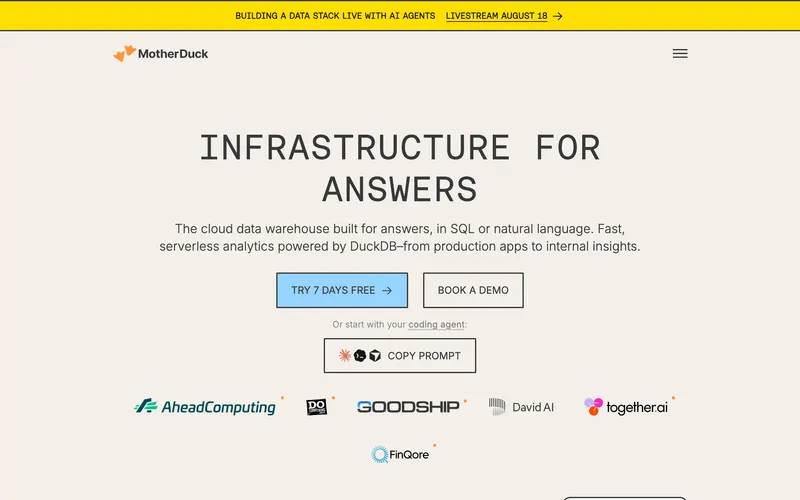
The modern cloud data warehouse powered by DuckDB. Serverless SQL analytics with no infrastructure to manage—query your data in seconds. Start free.
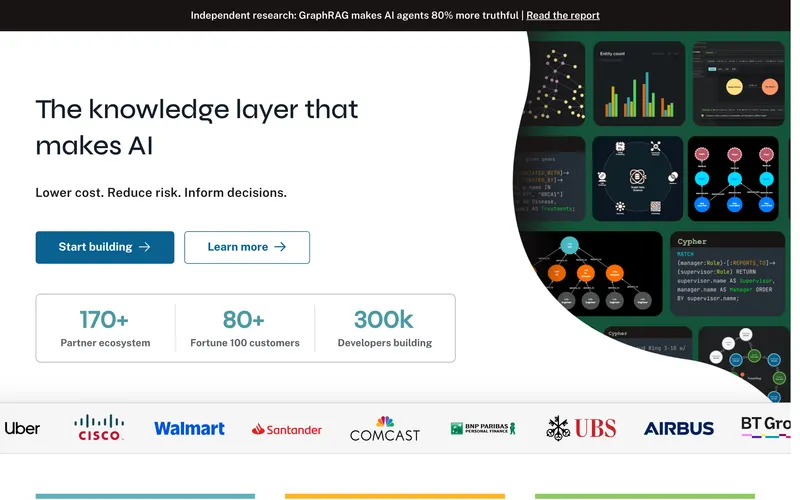
Connect data as it's stored with Neo4j. Perform powerful, complex queries at scale and speed with our graph data platform.
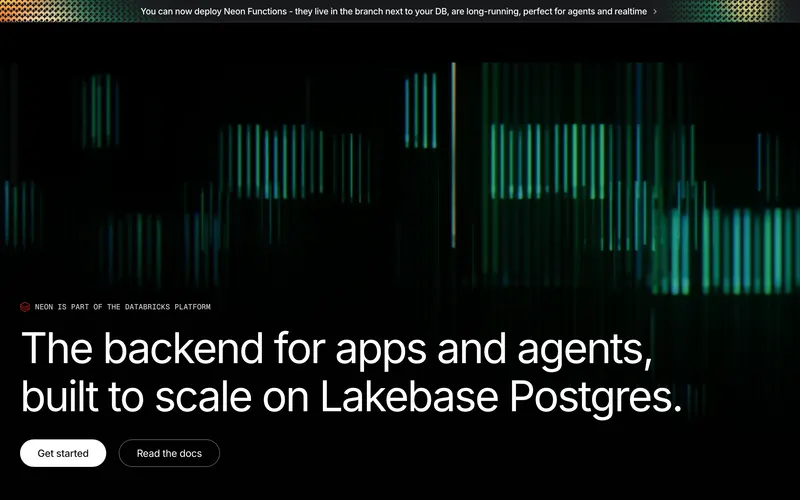
The backend for apps and agents. Build with Lakebase Postgres, Auth, Functions, Storage, and an AI Gateway: instant, branchable, serverless.
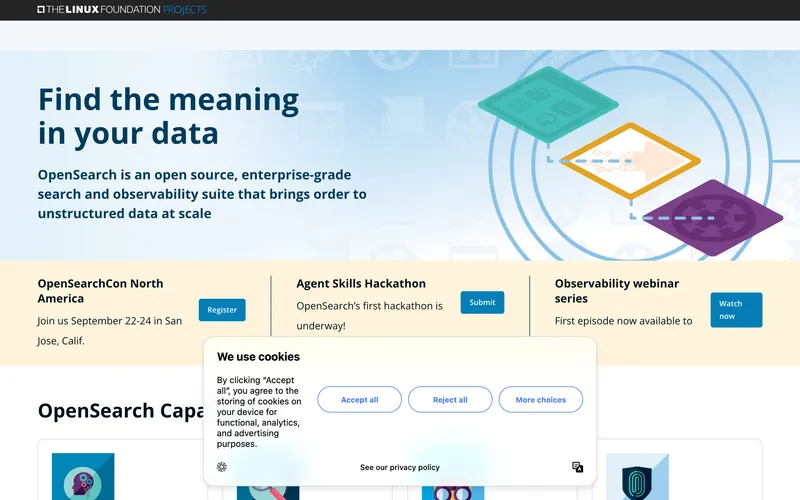
OpenSearch is a community-driven, Apache 2.0-licensed open source search and analytics suite that makes it easy to ingest, search, visualize, and analyze data.
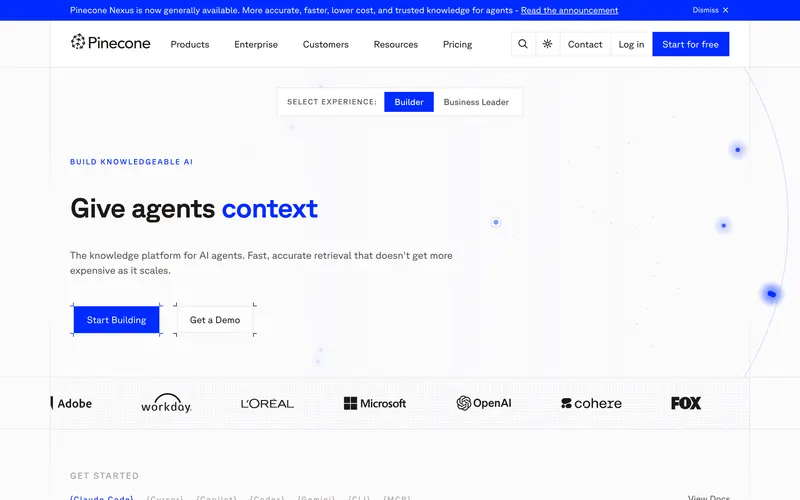
Search through billions of items for similar matches to any object, in milliseconds. It’s the next generation of search, an API call away.
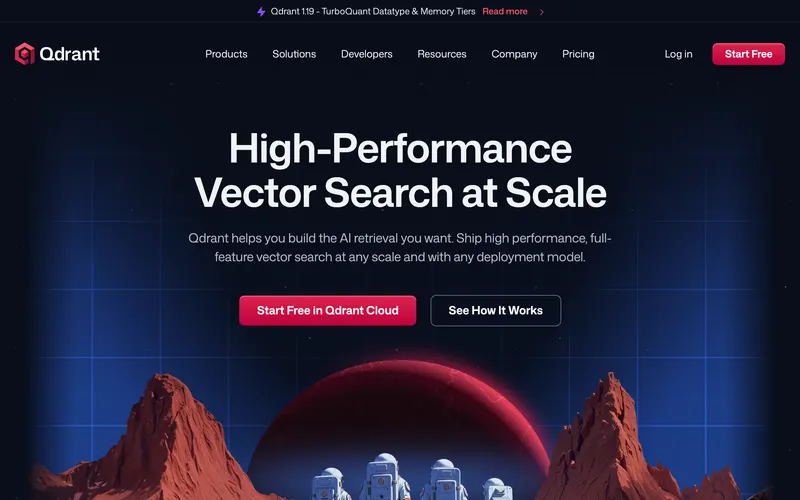
Qdrant is an Open-Source Vector Search Engine written in Rust. It provides fast and scalable vector similarity search service with convenient API.
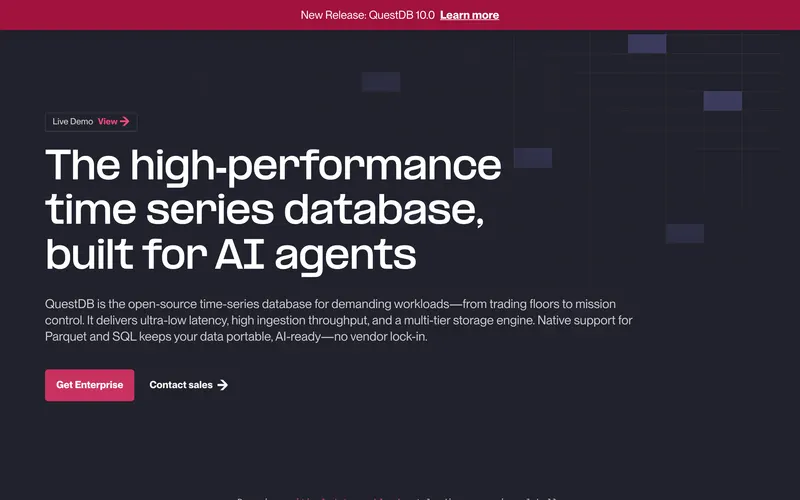
QuestDB is the open-source time-series database for demanding workloads: ultra-low latency, high throughput, tiered storage, and fast SQL on open formats.
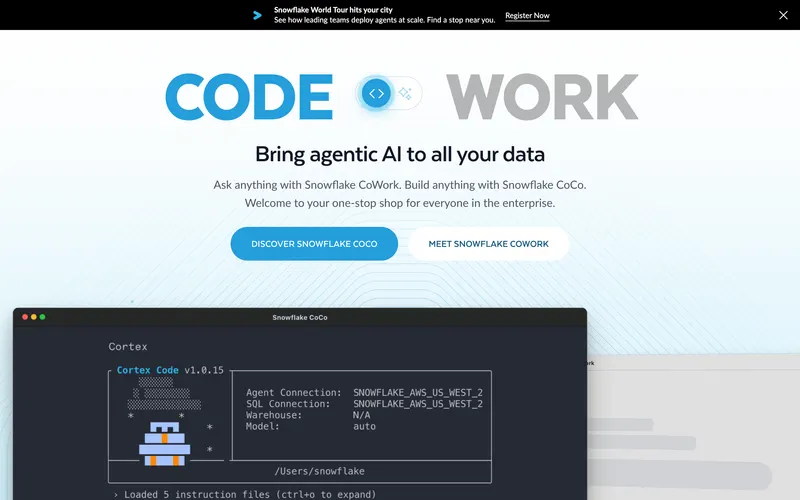
Snowflake enables organizations to collaborate, build AI-powered data apps, and unlock data insights—all within a secure and scalable AI Data Cloud.
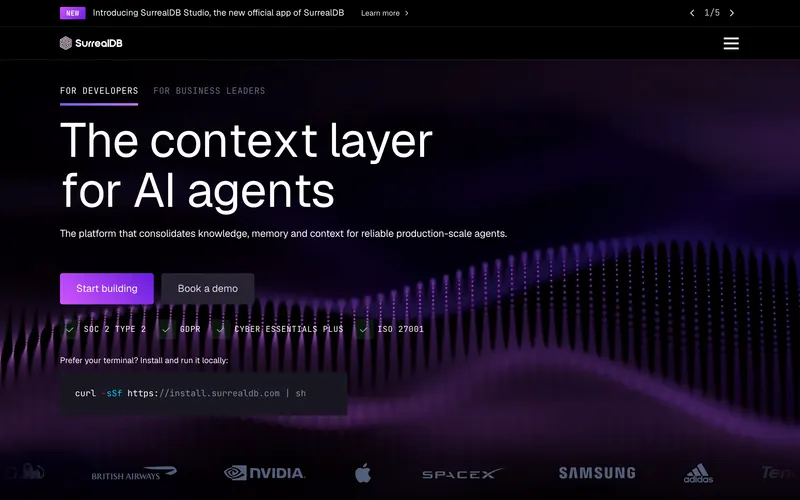
SurrealDB is the context layer for AI agents. One database for documents, graphs, vectors, and time-series. One transaction from storage to memory. No middleware.
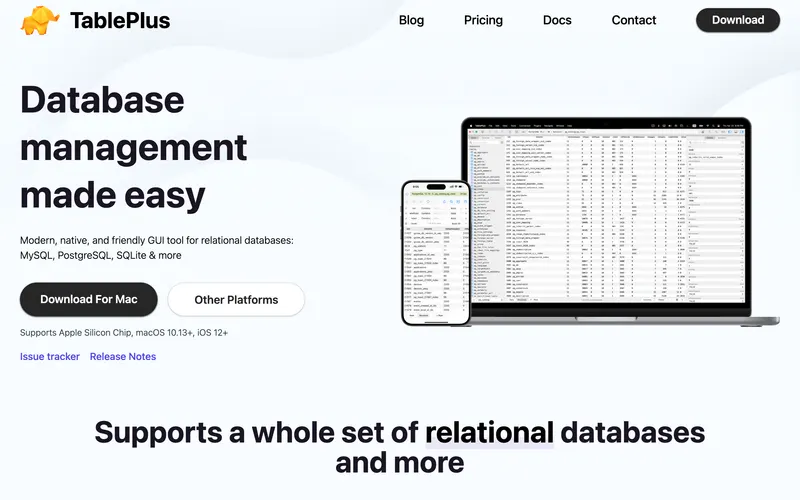
Modern, native client with intuitive GUI tools to create, access, query & edit multiple relational databases: MySQL, PostgreSQL, SQLite, Microsoft SQL Server, Amazon Redshift, MariaDB, CockroachDB, Vertica, Cassandra, and Redis.
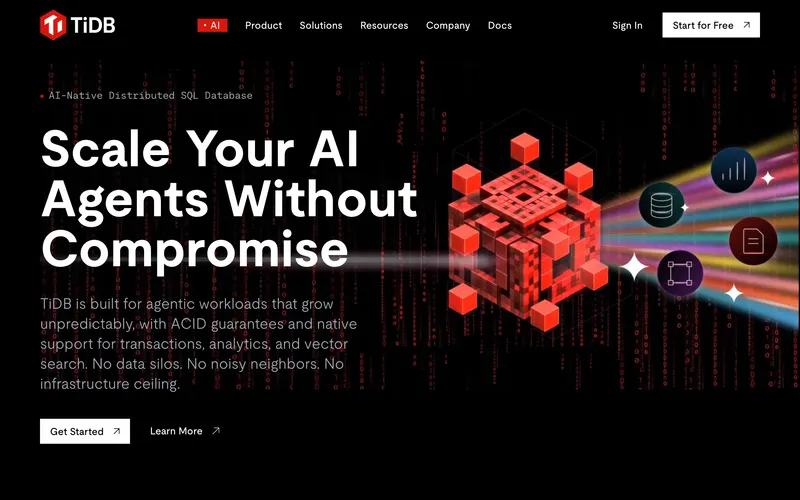
TiDB is the distributed SQL database built for AI agents. Vectors, transactions, and analytics in one engine with ACID guarantees and elastic scale.
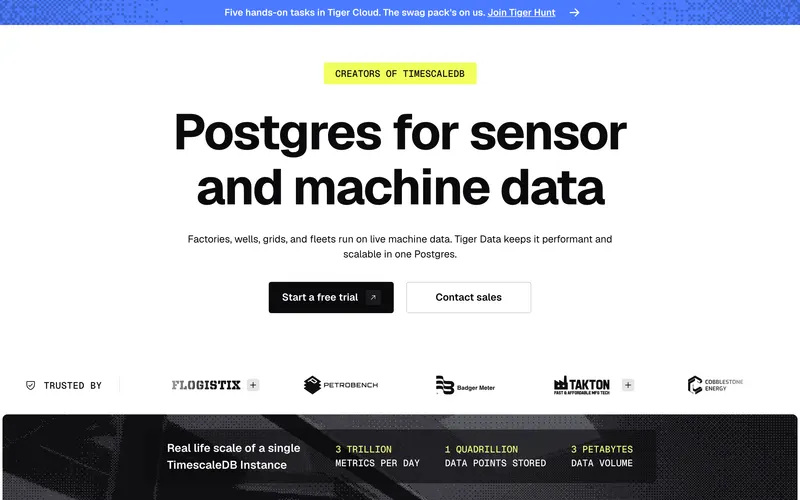
From the creators of TimescaleDB — the PostgreSQL platform trusted by enterprises processing trillions of metrics daily. Start a free trial or get a demo.
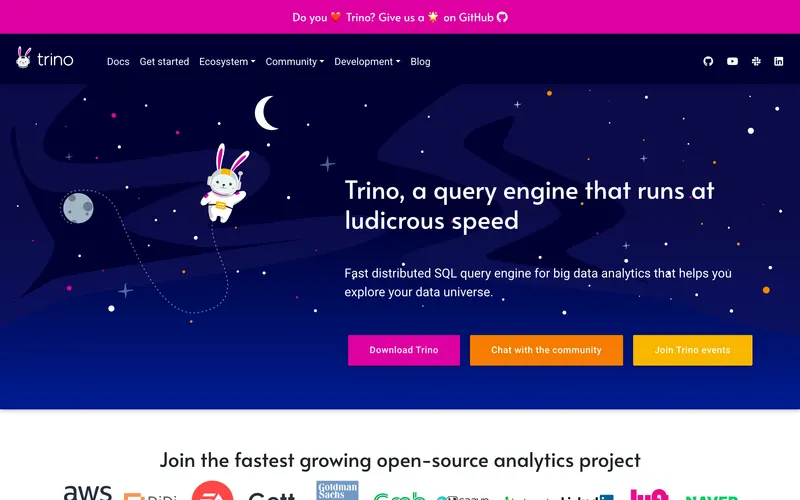
Trino is a high performance, distributed SQL query engine for big data.
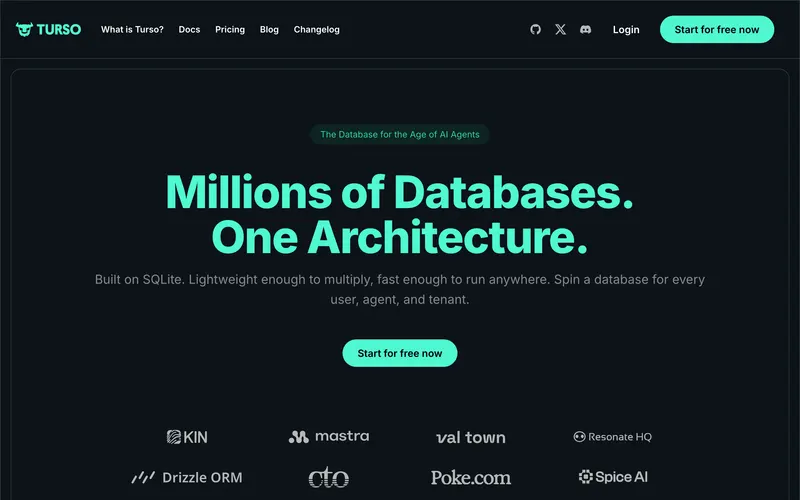
Turso is the lightweight database that scales to millions of agents. Deploy databases everywhere—on servers, in browsers, on devices—just like files. A full SQLite drop-in replacement, built for the agentic future.
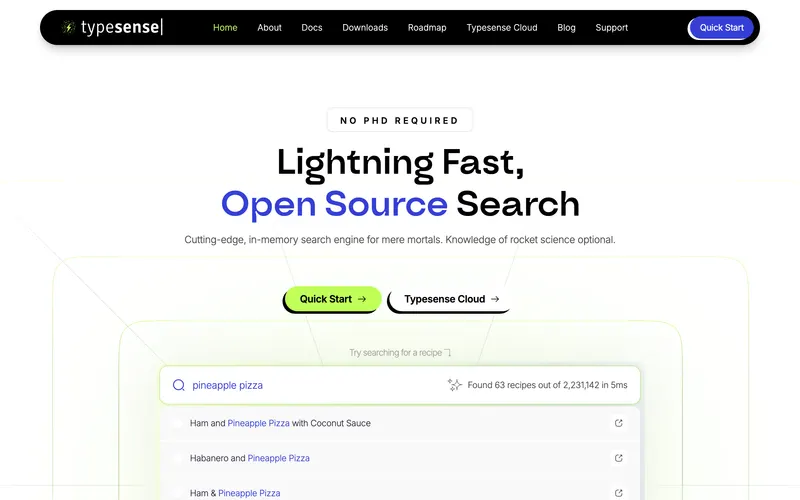
Typesense is an open-source search engine for fast, typo-tolerant site and app search, with simple APIs, vector search, and self-hosting.
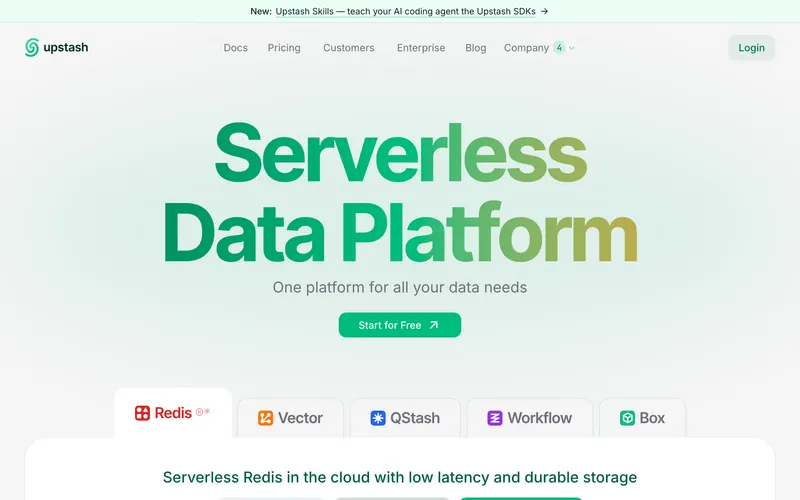
Serverless Redis, Vector and Search databases with low latency and pay-as-you-go pricing. Upstash is the data platform for modern and AI applications — create a Redis database in seconds.
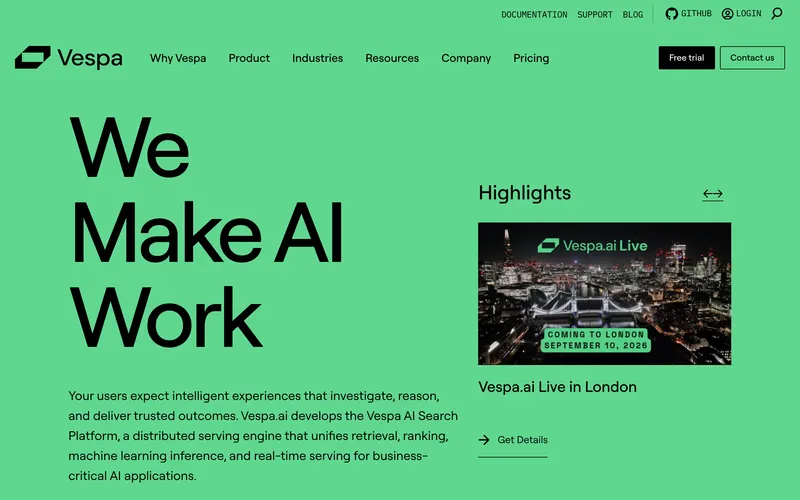
Vespa is the AI Search Platform for fast, accurate AI search, AI agents, personalization, recommendations, and retrieval.
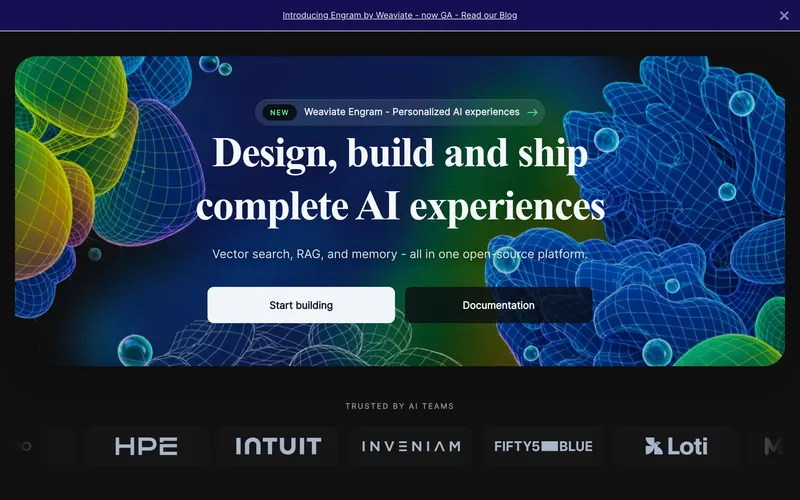
Bring AI-native applications to life with less hallucination, data leakage, and vendor lock-in
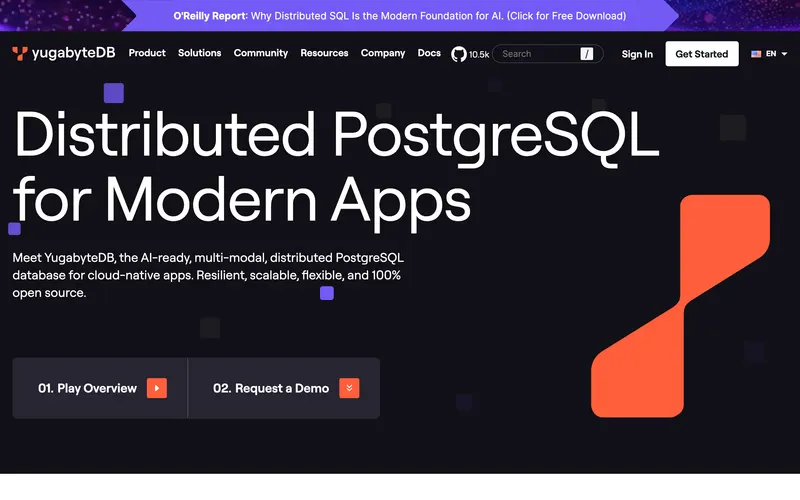
YugabyteDB is the 100% open source cloud native database for mission critical applications. YugabyteDB runs in any public or hybrid cloud.